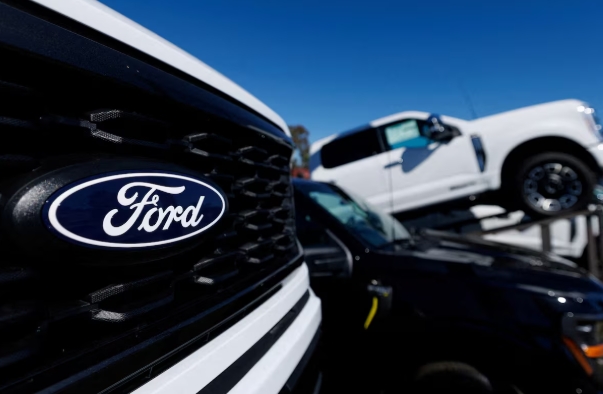
In DETROIT the Ford Motor Company is recalling approximately 413,000 SUVs in the United States due to a potentially serious defect that could cause drivers to lose steering control, the National Highway Traffic Safety Administration (NHTSA) announced on Tuesday. The recall affects a mix of 2021–2023 Ford Explorer and Lincoln Aviator models.
Details of the Defect
According to NHTSA, the problem stems from a faulty intermediate steering shaft that may fracture, resulting in partial or complete loss of steering ability. If the defect manifests while driving, it could significantly increase the risk of a crash, particularly at higher speeds or on busy roads.
Ford noted in a statement that the issue “could potentially affect the driver’s ability to safely maneuver the vehicle” and urged owners to have their SUVs inspected and repaired promptly. No accidents or injuries have been officially reported in connection with this defect so far, but safety regulators stress that the risk is serious enough to warrant immediate attention.
Vehicles Affected
The recall encompasses:
- 2021–2023 Ford Explorer SUVs
- 2021–2023 Lincoln Aviator SUVs
Owners will be notified by mail, and Ford dealerships will replace the faulty steering component free of charge. The company also emphasized that repairs can take approximately one hour but vary depending on dealer availability.
NHTSA Warning
NHTSA advised affected drivers to avoid unnecessary driving until the issue is addressed. The federal agency classifies this as a high-risk recall, noting that steering failures are among the most serious vehicle safety defects because of their potential to cause collisions.
“This is not just a minor inconvenience; a sudden loss of steering control can result in serious injury or death,” NHTSA spokesperson [Name] said.
Background on Ford Recalls
Ford has faced multiple safety-related recalls in recent years, including issues with seat belts, airbags, and fuel systems. The automaker has repeatedly stressed its commitment to safety and has worked closely with regulators to ensure timely remediation.
This latest recall highlights ongoing challenges in vehicle quality control, particularly as automakers integrate more advanced systems and supply chain complexities.
What Owners Should Do
Ford owners of the affected vehicles should:
- Check if their vehicle is included in the recall using the VIN at NHTSA.gov/recalls
- Schedule a service appointment with an authorized Ford or Lincoln dealer
- Avoid high-speed driving or long trips until repairs are completed
Dealerships are expected to receive replacement parts immediately, but appointments may take time due to the volume of vehicles involved.
Conclusion
While no injuries have yet been reported, the sheer number of vehicles involved over 413,000 SUVs makes this a significant safety concern. Experts urge owners not to delay, and regulators are monitoring the situation closely to prevent accidents.
Ford said it will work to notify affected owners promptly and ensure repairs are performed at no cost.