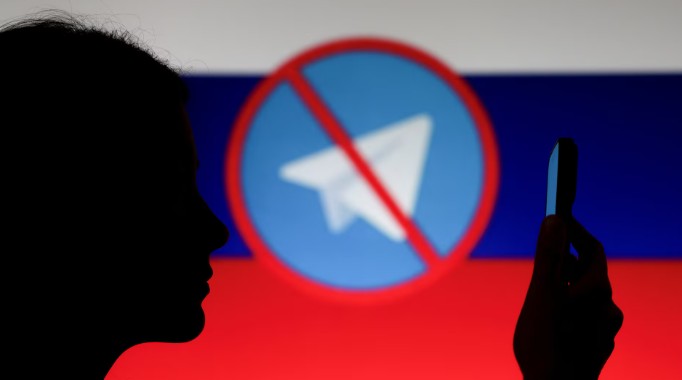
The messaging platform Telegram has rejected allegations from Russian authorities claiming that foreign intelligence services are able to access messages sent by Russian soldiers through the app.
In a statement, Telegram said it had found no evidence of any breach in its encryption systems and firmly denied that its messaging infrastructure had been compromised. The company emphasized that its security architecture remains intact and that private communications are protected by its established encryption protocols.
The allegations emerged after Russian officials suggested that foreign intelligence agencies may have gained visibility into communications exchanged by military personnel using the platform. Telegram responded by reiterating that it has not detected any vulnerabilities or unauthorized access affecting its services.
Telegram is widely used across Russia and other regions for both personal and official communication. The app offers optional end to end encryption in its “Secret Chats” feature, while standard cloud chats are encrypted between users and Telegram’s servers.
The exchange highlights ongoing global concerns about digital security, wartime communications, and the role of encrypted messaging platforms in conflict environments. Cybersecurity experts note that while encrypted platforms provide protection against interception, operational security practices by users also play a critical role in safeguarding sensitive information.
Telegram has previously faced scrutiny from various governments over content moderation and encryption policies but has consistently maintained that user privacy and security are core principles of the platform.
As tensions continue in the broader geopolitical landscape, digital communications security remains a central issue for governments, military actors, and technology companies alike.